| ← All communiqués |
|
||
|
November 2014
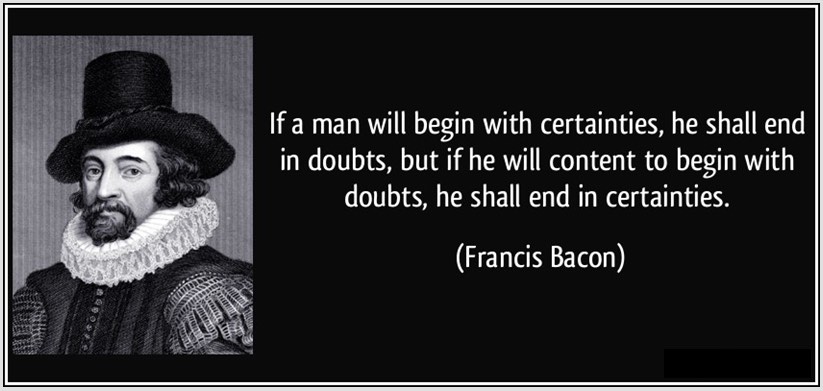
"We're doomed....or are we?" *best read in Scottish accent* |
||
It doesn't surprise me that people are anxious. Ebola: 10 000 people having been infected! Quantitative easing sent to rehab! Interest rate hikes Looming (well definitely in the USA) My CITY strikes The volatility movie in Europe has no adult control SA shares holidaying in "High PE's" To be honest before this week I was also feeling slightly abandoned about the SA economy narrative. During the week tho', I've had some very interesting "get-togethers" to discuss the above anxieties.
Our Time Horizon Investment Strategy embraces uncertainty. The aim of our approach is not to predict the future but rather to assess how your time horizon goal funds will perform during uncertainty. We expect unpredictability and therefor prepare for it and this defines our strategy – we make unpredictability our ally. Applying this to the management of your portfolios does not mean that we try to time the markets by selling now in hopes of getting in a lower price. There will always be ups and downs and lots of worries. Successful investing results from avoiding excessive risks while taking advantage of the opportunities that present themselves. Here are some guidelines to help you determine how long your investment time horizon is:
Your Investment Strategy: Identifying your investment time horizon, which sets your sets risk tolerance investment strategy. Your strategy will help you decide how much of your portfolio you may want to invest in for example: shares, bonds and money market investments. Over time the intrinsic value of any growth asset should appreciate as earnings, dividends and net assets grow. In the short-term, prices move around intrinsic value as market sentiment swings from optimism to pessimism. By investing as close to the point where the price is discounting the greatest pessimism, not only is the potential return maximised, but the 'margin of safety' is greatest, as the extent to which the price can fall further is minimised. Albert Einstein is purported to have once remarked that the most powerful force in the universe is compound growth. My favourite example of the power of compounding is this: The Emperor of China was so excited about the game of chess that he offered the inventor one wish. The inventor replied that he wanted one grain of rice on the first square of the chess board, two grains on the second square, four on the third and so on through the 64th square. The unwitting emperor immediately agreed to the seemingly modest request. But two to the 64th power is 18 million trillion grains of rice - more than enough to cover the entire surface of the earth. [The clever inventor did not gain all the rice in China; he lost his head.] Although compounding is referred to humorously as the eighth wonder of the world it is not the answer to building long-term wealth. To maximise benefit from the power of compound interest one needs to be investing in a portfolio that yields its performance from the fact that the portfolio is actively managed. Silke identifies which managers to combine through a rigorous and integrated approach of both quantitative and qualitative manager research. Part of the research is provided by independent financial services group, Fundhouse. The research process focuses on all elements which drive long-term investment success, including the business structure within which the fund operates, the fund management team (their beliefs and the principles they follow in making decisions), team dynamics and culture, as well as evidence of the investment process being followed consistently. This qualitative approach offers the highest degree of comfort that the fund is being managed appropriately. The difference between the portfolio selection and benchmark return is known as the active return. Silke Financial Services offers advice on funds at all levels of risk. We research the market in order to find the most appropriate funds at all risk levels. Please feel free to contact your Silke advisor if you have any questions or would like to discuss our commentary further. |



Editor: Shane Thom, Silke Financial Services FSP No. 12462 · An Authorised Financial Services Provider Copyright © 2014 by Silke Financial Services CC – All Rights Reserved. |