| ← All communiqués |
|
||
|
30 June 2011
Blame The Greeks |
||
|
The markets of late have had me thinking back to my first ever rollercoaster ride. "...it was the Big Dipper and it had my pulse pounding - yikes!" Similarly and not surprising, most of us can't help but wonder how we are to deal with this unprecedented market volatility we find ourselves in. I hear from everyone that it is the Greeks. Well then, lets blame it on the Greeks! But looking at their history... beginning in the 7th millennium BC - reflects a different and prosperous Greece, over the long term! 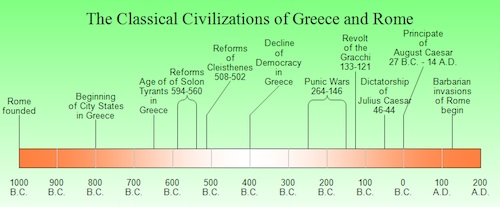
Global investment markets will continually test us with unsettling cycles that can't be controlled. But while these market movements are largely unpredictable, their effect on our emotions is. In rising markets, we are notoriously optimistic; in falling markets that exuberance can quickly fade to pessimism. This cycle can turn rational investors into irrational ones, tempting you to take drastic action and placing in jeopardy your developed, diversified long-term financial plans. Understanding this cycle of emotions can help one understand and manage our response to market fluctuations. 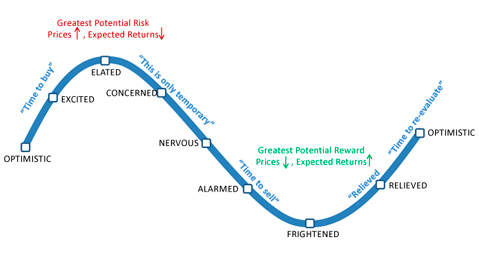
The cycle usually starts with optimism - investors commonly expect things to go their way, or more correctly they expect a return for the risk of investing. It is at the top of this cycle that investors are at the point of maximum financial risk - a dangerous time when unrealistic expectations typically take hold. As prices drop in value, euphoria gives way to anxiety as investors look to the markets for direction. If the downward trend continues, anxiety quickly turns to denial and fear. Investors start to question their decisions, even as they wait for prices to recover. Should markets continue to fall beyond this stage, desperation and panic mount. At this point, many investors have lost not only their prior profits, but some of their initial investment capital as well. That's when they start to act defensively and begin to think about switching out of riskier assets to more defensive shares or other asset classes such as bonds. The more volatile the markets become, the more emotional investors may get about their investments. In the next phase of the cycle, panic and desperation set in. Some investors persevere, wondering whether the markets are ever going to recover. Many others capitulate, withdrawing from the market altogether, afraid of further losses. Ironically, it is precisely at this time that investors often fail to recognize that they are at the point of maximum financial opportunity in the stock market. They are so emotionally despondent that the idea of actually buying at bargain-level prices is inconceivable to them. While you cannot predict when the next upward or downward turn will occur, having a sound financial plan can bring a feeling of confidence that you are well positioned to endure the ride into optimism again. At Silke Financial Services we understand the cycle of investor emotions and through the use of our investment philosophy and asset allocation approach, we help provide the perspective, focus and discipline required by investors to stay on course to reaching your time horizoned financial goals. |



Editor: Shane Thom, Silke Financial Services FSP No. 12462 · An Authorised Financial Services Provider Copyright © 2011 by Silke Financial Services CC – All Rights Reserved. |